
“It Won’t Hurt Forever”
Peter A. Levine – “It Won’t Hurt Forever”
I have been interested in Dr. Levine’s work with trauma for many years. The following post includes notes I took while listening to one of his audio lectures. I downloaded it from “Sounds True,” but you can get it free with an Audible trial membership on Amazon. Levine talks about trauma as “a psychosomatic experience, not a psychological experience”. He goes on to describe that trauma could include a life-threatening experience, the death of someone close, accidents, or even a fall. Getting lost from an adult (as a child) and severe physical or sexual abuse are, of course, traumatic. Levine is unique in that he offers both helpers and parents clear strategies to support our kids, family members, or friends.
Here are my notes about small “t” traumas or big “T” trauma and the steps to move through while helping your child. I think this structure could help an adult as well. Let me know your thoughts, and sign up on the front page of my website to get more posts.
*Shaking and trembling are a way to release a traumatic experience (trembling and crying are also typical). Acknowledge this and do not try to stop the shaking and crying.
*Emotional First Aide: Before you help a child (just like on the plane) take a deep breath and then help (pick up soothe etc.). If you are stressed, angry, or scared, you could further traumatize the child.
*“Allow for your own bodily reactions to subside before you go to help”. How would you feel if a surgeon who was going to operate on you were nervous, angry, or tripping over instrument tables? However, if your child is in danger, you must respond immediately and try to breathe while helping.
*Kids need time to be with their “bad feelings” first and then they can be comforted. Feel first, process next, and revisit as is comfortable.
*After you have moved through these steps you can begin to offer some support in more verbal terms.
*Try not to be over concerned about doing it “right” we have natural instincts and these instincts will know what to do.
*Trauma will naturally move toward completion.
* “Simply” listen. Don’t try to be a therapist, just notice and be present for your child.
*A child will move toward play and this is another way to process the trauma.
*Avoiding shaming…anger or embarrassment.
*Don’t bring the traumatic event up too soon but we also don’t want to avoid and protect for too long. For example, if a kid falls off a bike, you may want to just suggest a first step. For example, the child could just sit on the bike seat. You don’t have to move the bike until the child is ready.
*Stay with your child if they are in an ambulance, the hospital etc.
*Often kids believe that a fall or accident is their fault. Therefore, it’s important to make clear that it is not your child’s fault.
In summary, take life’s smaller traumas seriously, and obviously, the big ones need extra attention (maybe therapy). This is Dr. Levine’s website if you are interested in more resources. http://www.traumahealing.com
Also, I have a list of somatic experiencing certified therapists if you want to explore the work further. Finally, a quote from Brene Brown:
"I spent a lot of years trying to outrun or outsmart vulnerability by making things certain and definite, black and white, good and bad. My inability to lean into the discomfort of vulnerability limited the fullness of those important experiences that are wrought with uncertainty: Love, belonging, trust, joy, and creativity, to name a few."
Author
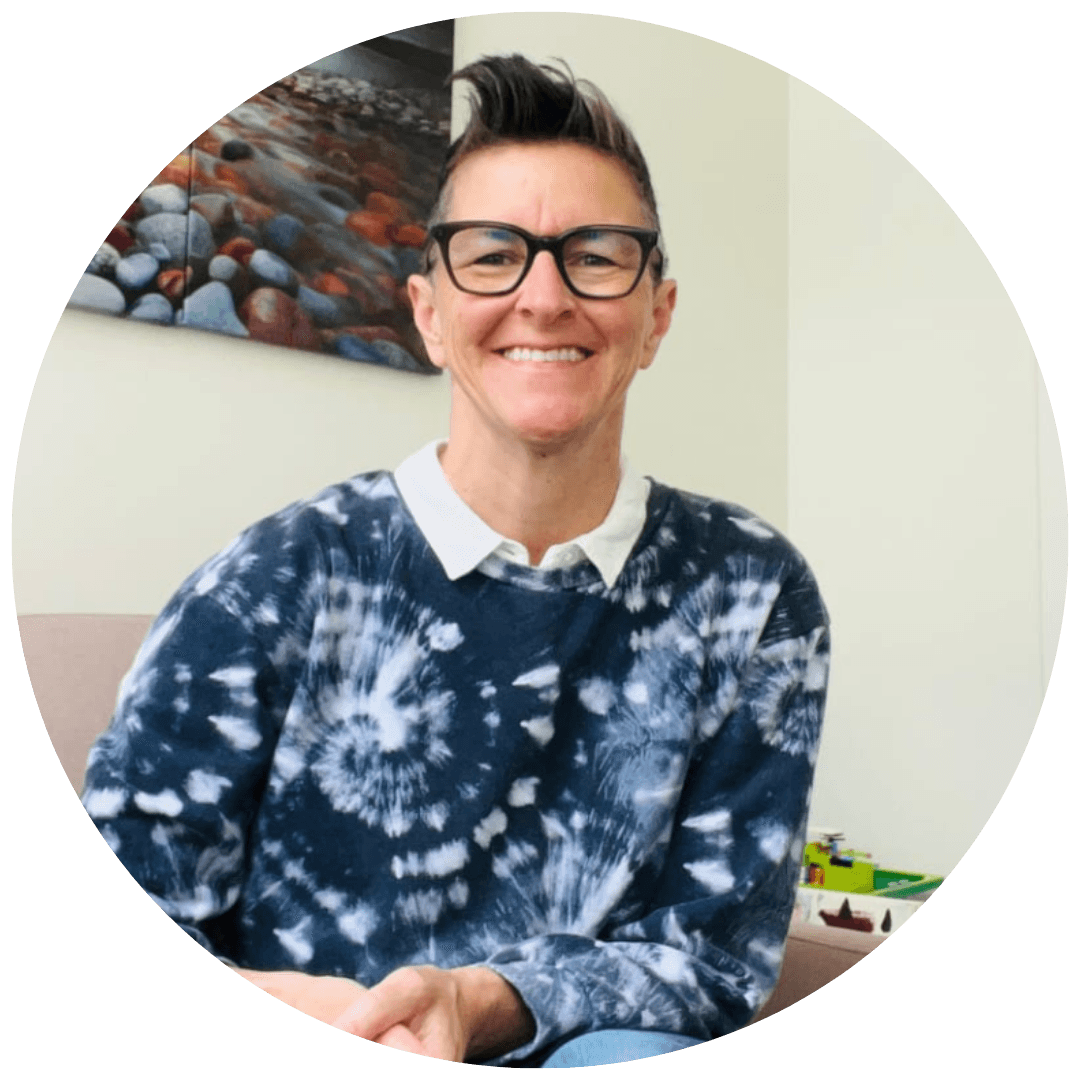
I am Bridget Bertrand (any pronouns), a queer parent with training in expressive arts practice, mindfulness, and embodied social justice. I grew up in the U.S. South, attended undergrad there, and got a degree in Theater Arts with a minor in Education. After graduation, I moved to New York City, where I taught theater in four of the five boroughs and did a little acting along the way.
After years of parent meetings that felt a lot like therapy, I turned to a career in psychology while raising a child. I am thrilled to offer expressive arts and mindfulness sessions WORLDWIDE. It is an honor to walk along with clients, and I hope to inspire folks to find their own unique path toward healing.
I have completed 150 hours of coursework centered on social justice at The Embody Lab and on mindfulness with the folks at MNDFL. All these courses are rooted in somatic healing. I am committed to creating mutual aid relationships with members of my community.





Paying land tax to the Sogorea Te’ Land Trust as I live on their stolen lands.
© 2026. ALL RIGHTS RESERVED.